Why Bees Matter More Than We Think
There’s a certain stillness to nature when you pause long enough to notice it.
The rustle of leaves.
The call of birds.
And, if you listen closely — the soft, steady hum of bees moving from flower to flower.
For something so small, bees carry an extraordinary responsibility.
This Earth Day, we’re taking a moment to honour these quiet workers, and to reflect on the role they play, not only in nature, but in our everyday lives.
A World in Motion. Thanks to Bees
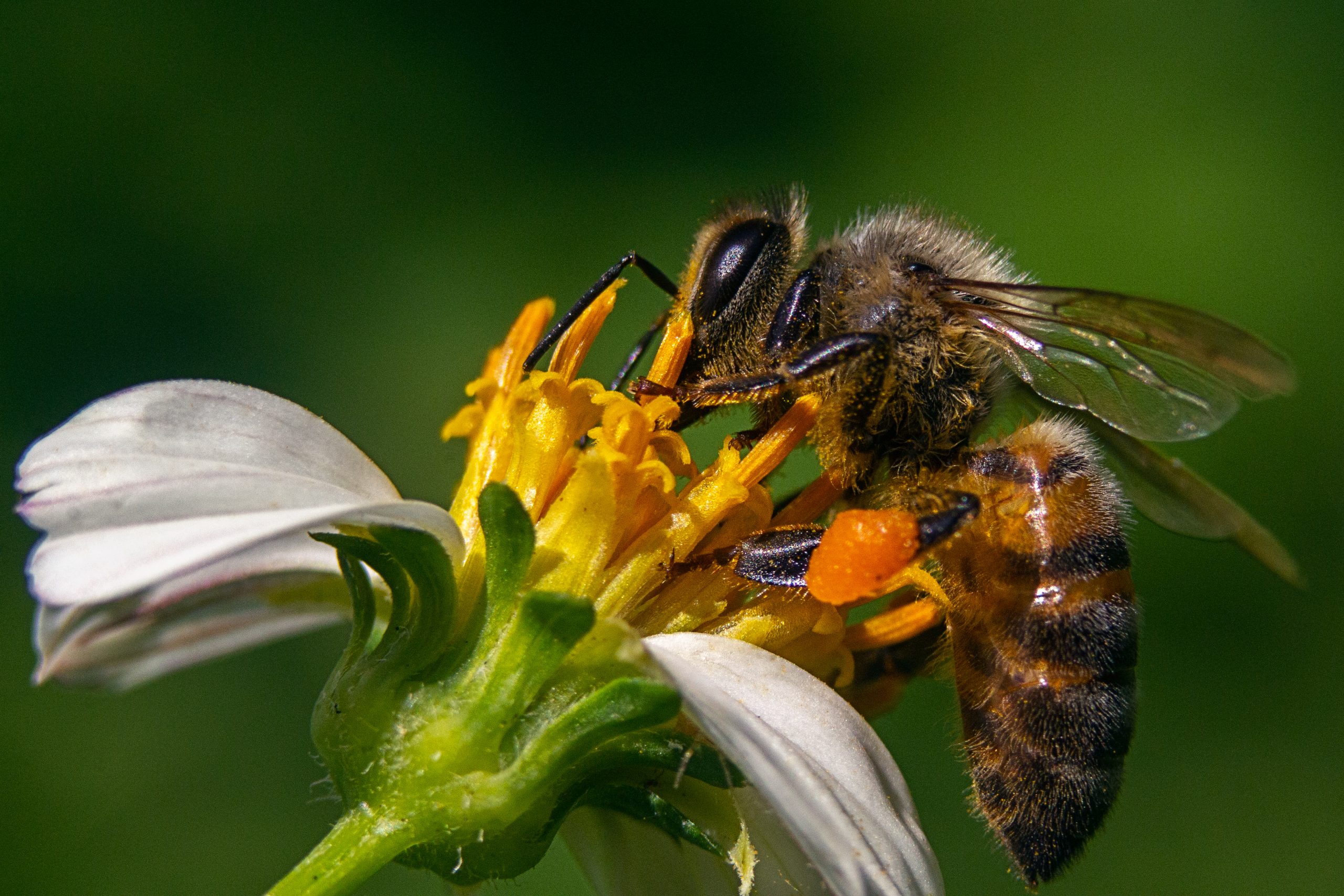
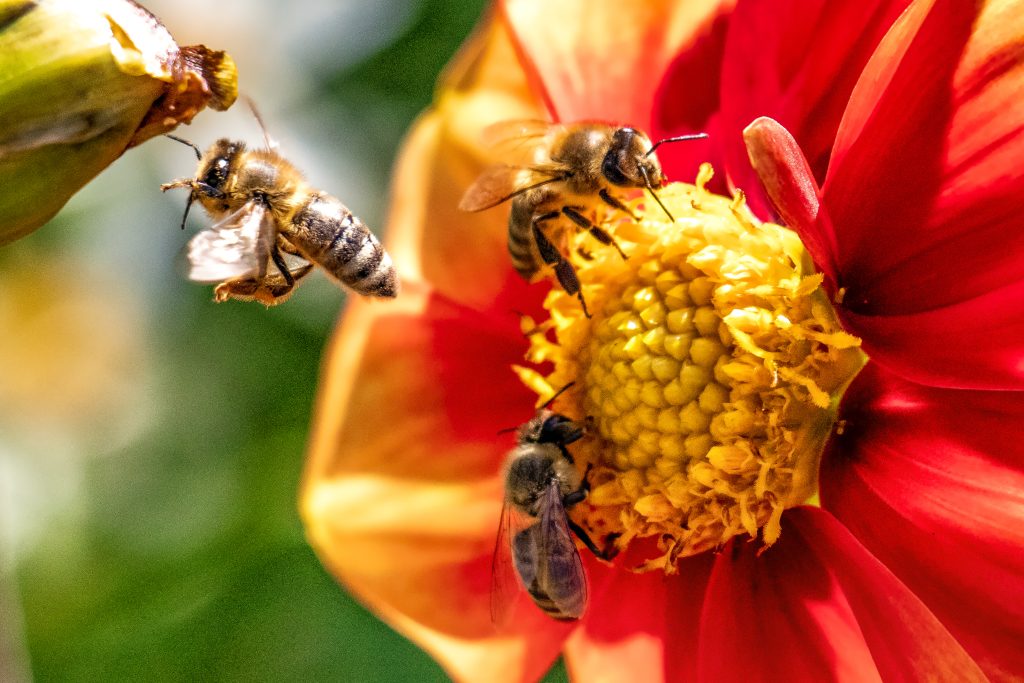
Bees are not just honey-makers. They are pollinators and without pollination, much of the natural world as we know it would struggle to exist.
As bees move between flowers, they transfer pollen from one bloom to another. This simple act allows plants to reproduce, forming seeds, fruits, and new growth.
In fact, bees are responsible for pollinating around one-third of the food we eat. From fresh fruit and vegetables to nuts and seeds, their work quietly sustains entire ecosystems and food systems.
Without them, the landscape would look very different.
Life Inside the Hive
A hive is a finely tuned community, each bee playing its part. At the centre is the queen, whose role is to lay eggs and ensure the survival of the colony. Worker bees, the ones we most often see, gather nectar and pollen, while also maintaining the hive. Drones have their own purpose in supporting the continuation of the colony.
Together, they create something remarkable: not just honey, but a system of survival, balance, and productivity.
Honey itself is more than a sweet reward, it is the bees’ food store for winter, carefully produced in quantities far greater than they immediately need.
A Delicate Balance Under Threat
Despite their importance, bee populations have been declining for years.
Loss of habitat, the use of pesticides, and shifts in climate all place pressure on these fragile ecosystems.
Colony collapse disorder, where bees abandon their hives, has become a growing concern worldwide.
It’s a quiet crisis, but one with far-reaching consequences…
When bees struggle, nature follows.
A Small Haven at Thaba
At Thaba Eco Hotel, we believe that caring for nature begins with small, intentional actions.
Our
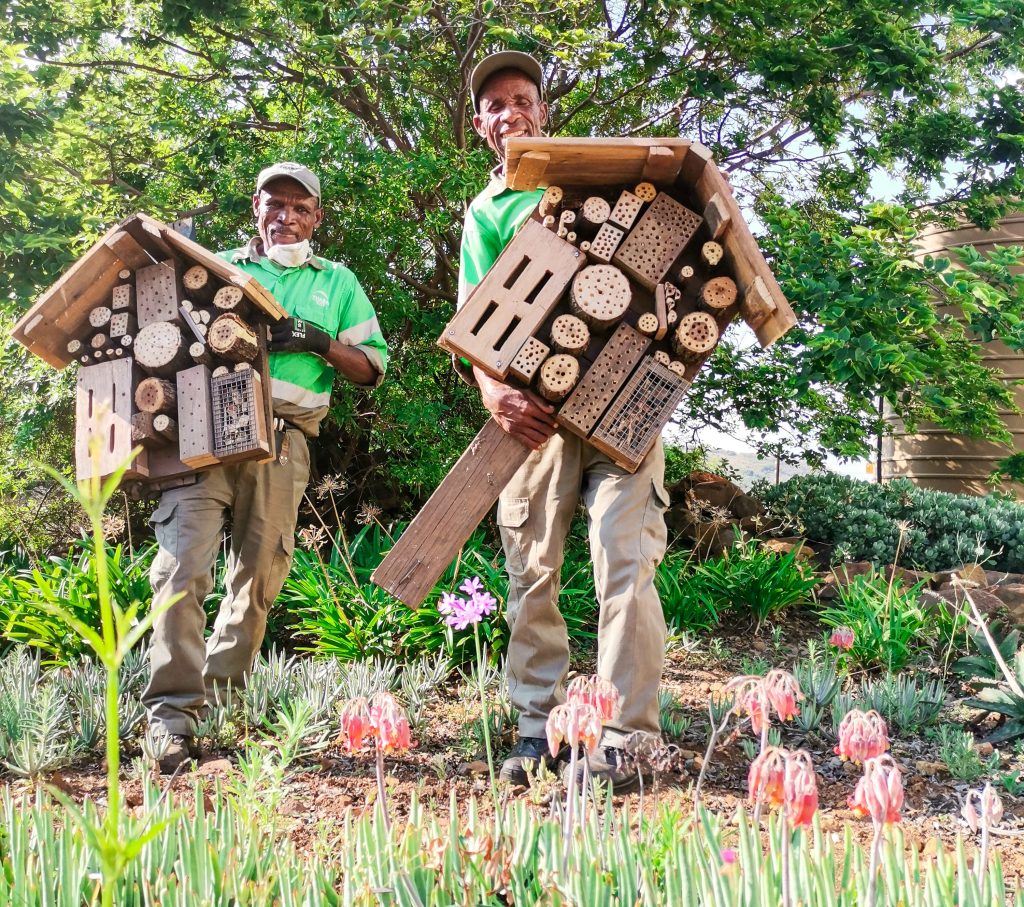
bee hotels are one such initiative, simple structures designed to provide safe nesting spaces for solitary bees. While they may not form large hives like honeybees, these solitary pollinators are just as vital to the ecosystem.
By creating environments where bees can thrive, we contribute in our own way to restoring balance, one small habitat at a time.
It’s a reminder that conservation doesn’t always require grand gestures. Sometimes, it starts with making space.
How You Can Help
Protecting bees doesn’t have to be complicated.
Planting indigenous, nectar-rich flowers.
Avoiding the use of harmful pesticides.
Allowing natural spaces to flourish a little more freely.
Even sharing awareness or starting conversations can make a difference.
Because when more people begin to notice the hum of bees, more people begin to care.
A Moment to Reflect
This Earth Day, we invite you to slow down, step outside, and notice the life that surrounds you.
The bees.
The blooms.
The quiet connections that hold it all together.
At Thaba, time feels different – and perhaps that’s exactly what the natural world needs from us. A little more time. A little more care.
And a renewed respect for the smallest creatures that sustain the biggest systems.
💬 Chat on WhatsApp



No comment yet, add your voice below!